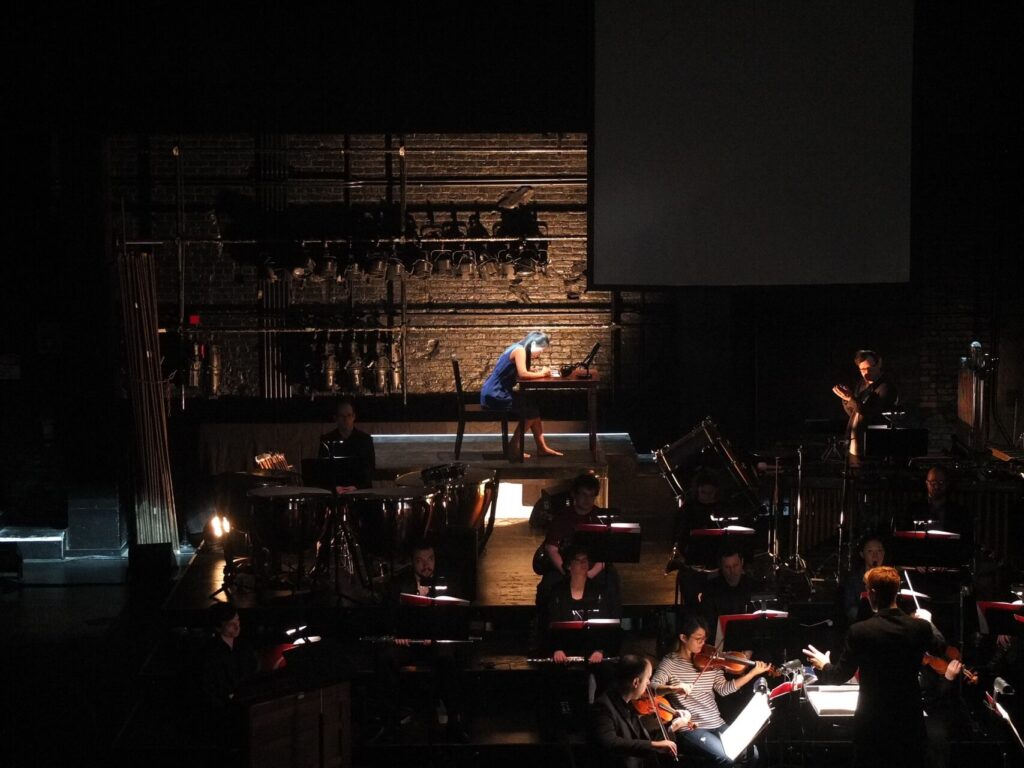
Staged Oratorio
Premiere
June 6, 2024
Venue
Tapiola Church, Finland
Production by the Urkuyö ja Aaria Festival
In collaboration with La Chambre aux échos
“But who may abide the day of his coming?
And who shall stand when he appeareth?”
Messiah is Handel’s most ambitious work in scale: it doesn’t tell of an event in history, but of history itself – of the end of history, the end of time.
And yet, as an opera composer, Handel approaches the subject in the way he knows best: as a psychologist focused on the human perspective. He finds in the ancient messianic tradition – the idea that something or someone can and must interrupt all this madness, and that the signs of its coming are multiplying – nuances that feel very familiar in our day: hope of revolution and redemption blending with perverse delight in the idea of an apocalypse, or that very specific mixture of depression and burn out.
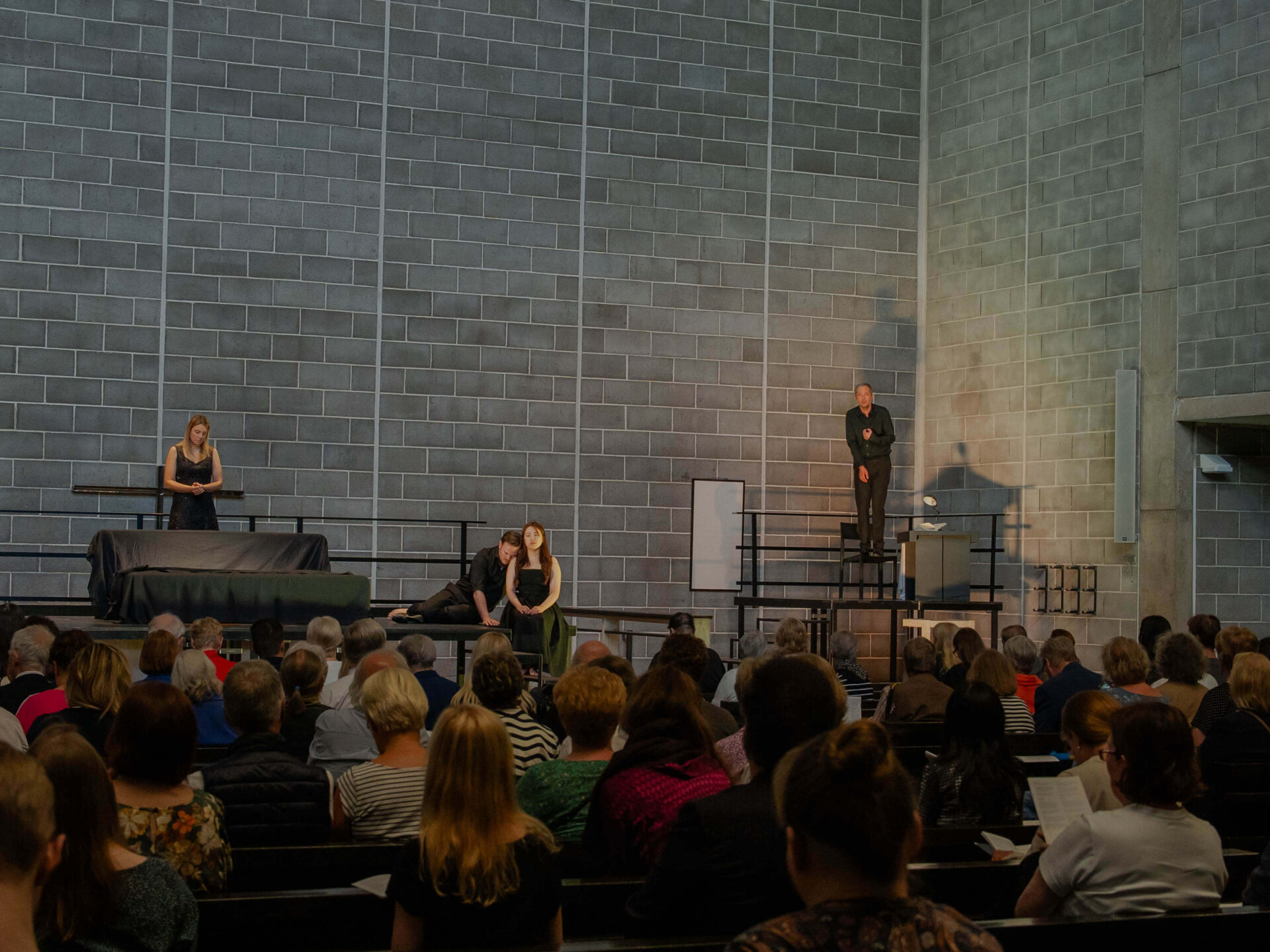
The ideological nature of Charles Jennens’ libretto, that perpetuates the old Christian retconning of the Jewish scriptures into prequels of the New Testament, is in itself redeemed by Handel’s psychological skill, and choice of offering a theatre not of the Messiah himself, but of the expectation of him, dramatized through four anonymous characters and a crowd, seen from up close but also as small figures in a vast landscape, like in the paintings of which Handel was a keen collector. The drama of the mind invented by Handel doesn’t grow old because, as Walter Benjamin reminded his contemporaries in the 20th century, “each generation is given a weak messianic power,” the power to make a difference, and each birth is a chance for the world not to be the continuation of the exact same catastrophe. Messiah forces us to face the most terrifying prospect while waiting for the world to be destroyed and/or redeemed: that we actually have to decide what happens next
Aleksi Barrière
Team
Concept and Realization
La Chambre aux échos
Music
G.F. Handel
Libretto
Charles Jennens, after the Bible
Dramaturgy, Stage Direction, Scenography
Aleksi Barrière
Lighting, Scenography
Étienne Exbrayat
Musical Direction
Aapo Häkkinen
Soprano
Clara Kim
Alto
Francesco Ascioti
Tenor
Nick Pritchard
Bass
Cornelius Uhle
Orchestra
Tapiola Sinfonietta
Chorus
EMO Ensemble
Pictures

Messiah 1 © Anu Rossi
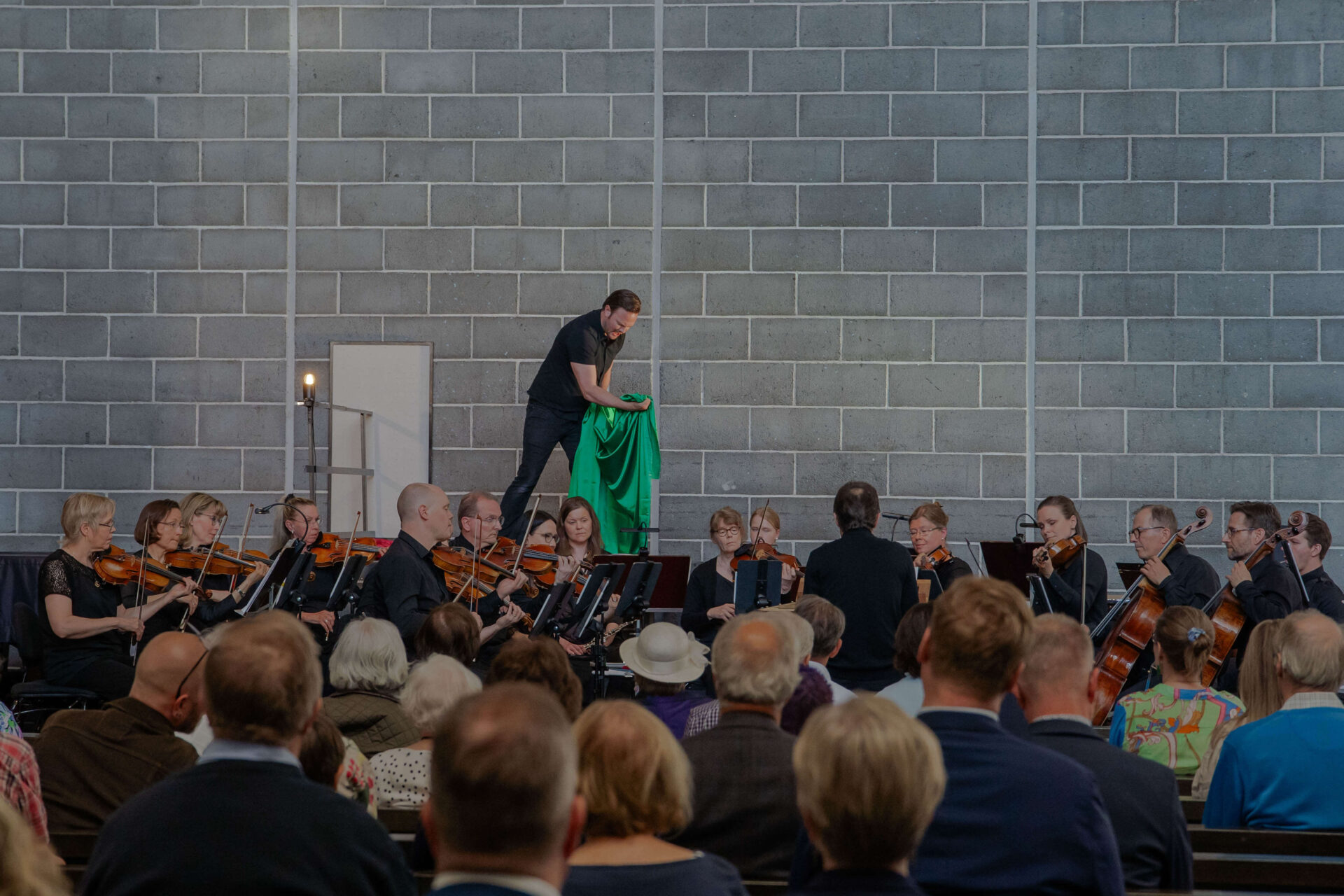
Messiah 2 © Anu Rossi
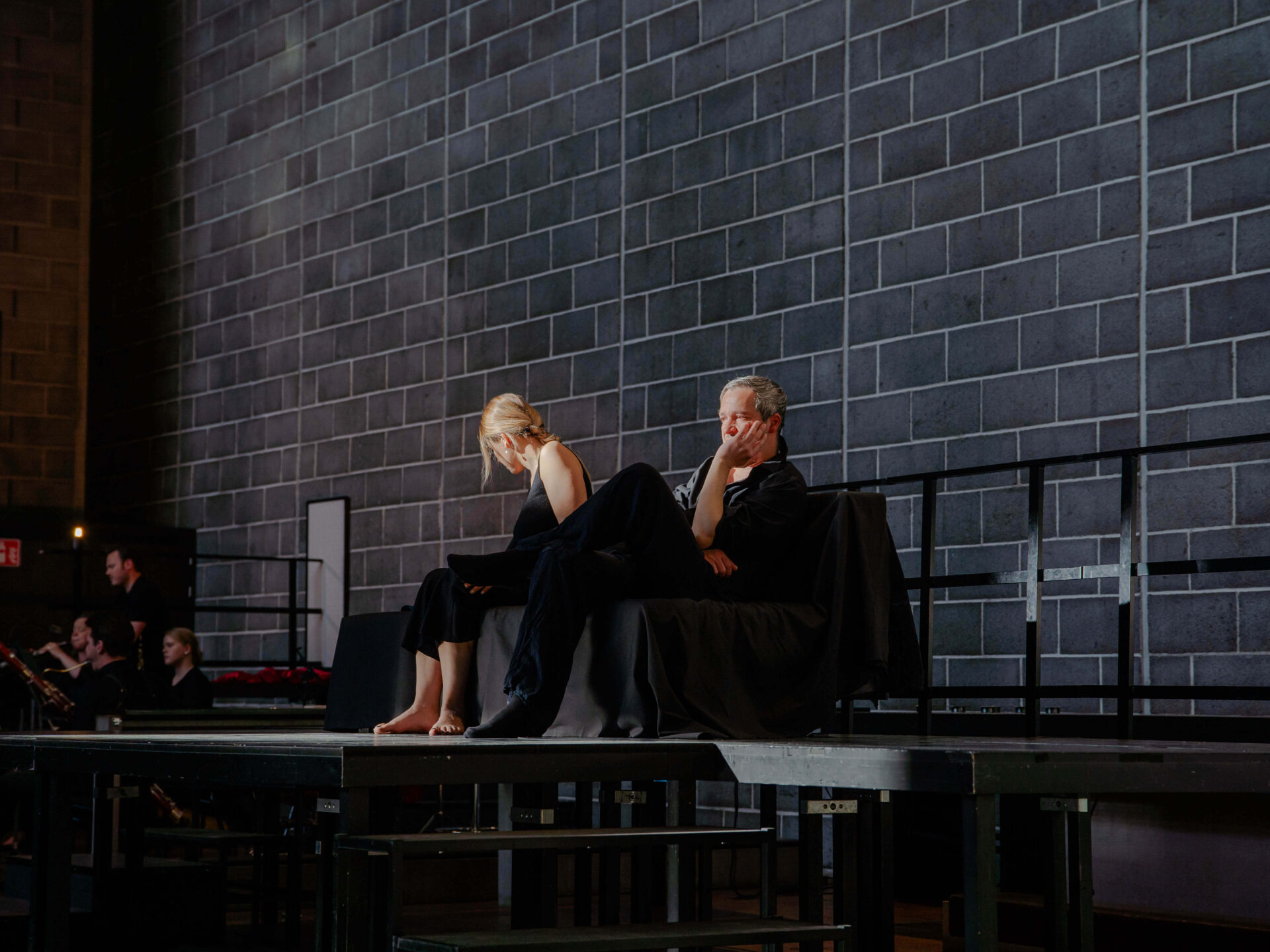
Messiah 3 © Anu Rossi
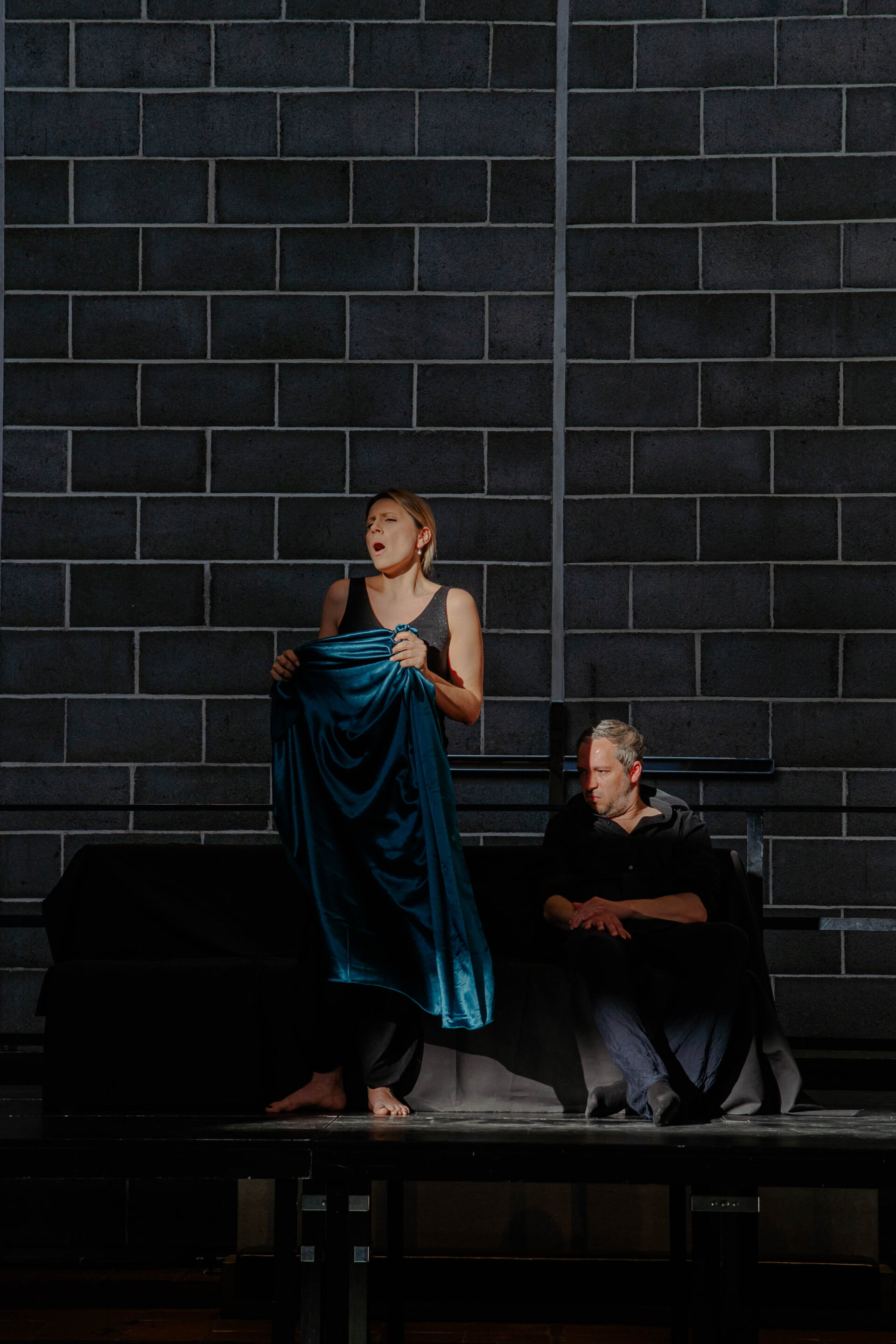
Messiah 4 © Anu Rossi
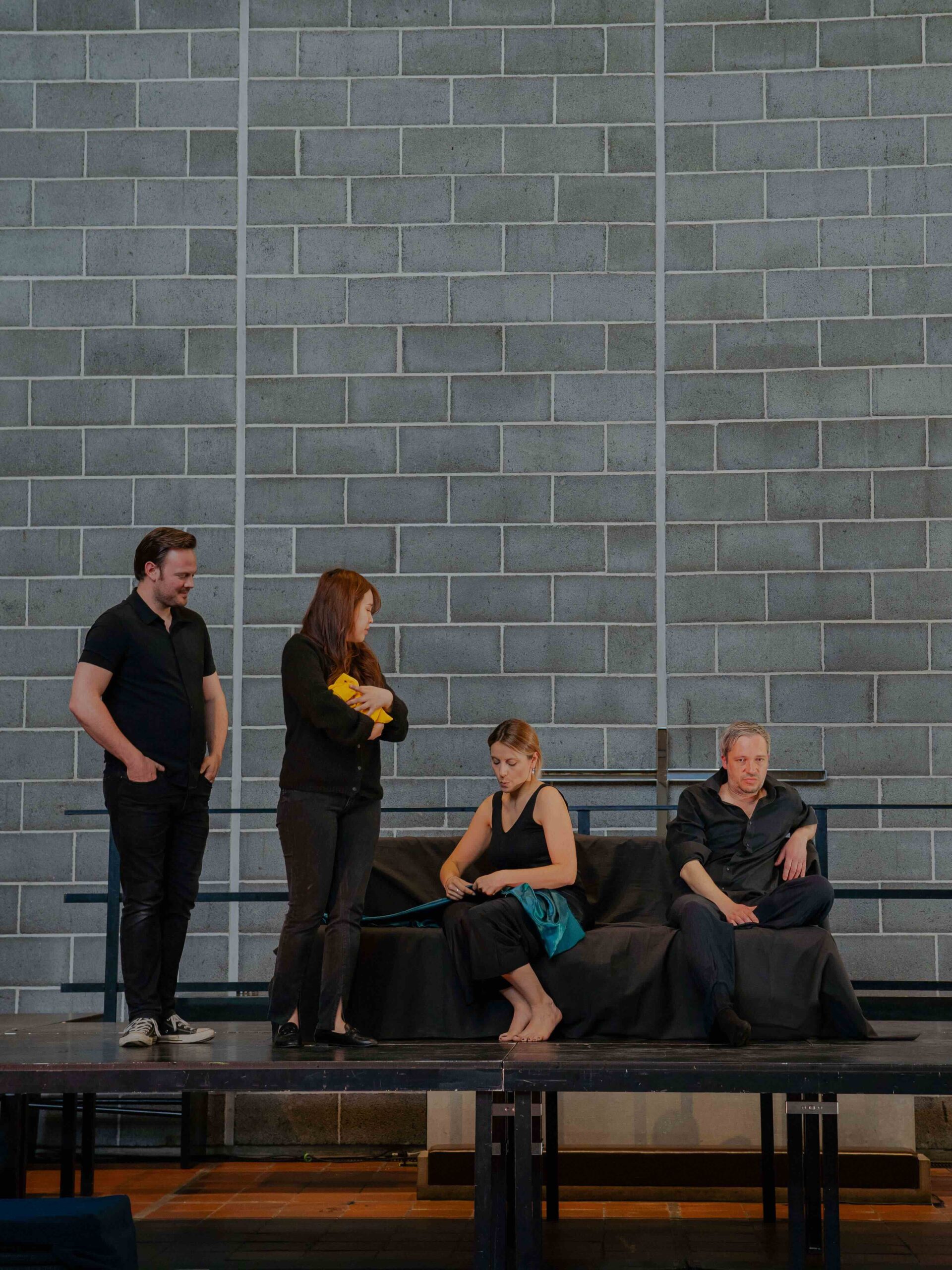
Messiah 5 © Anu Rossi
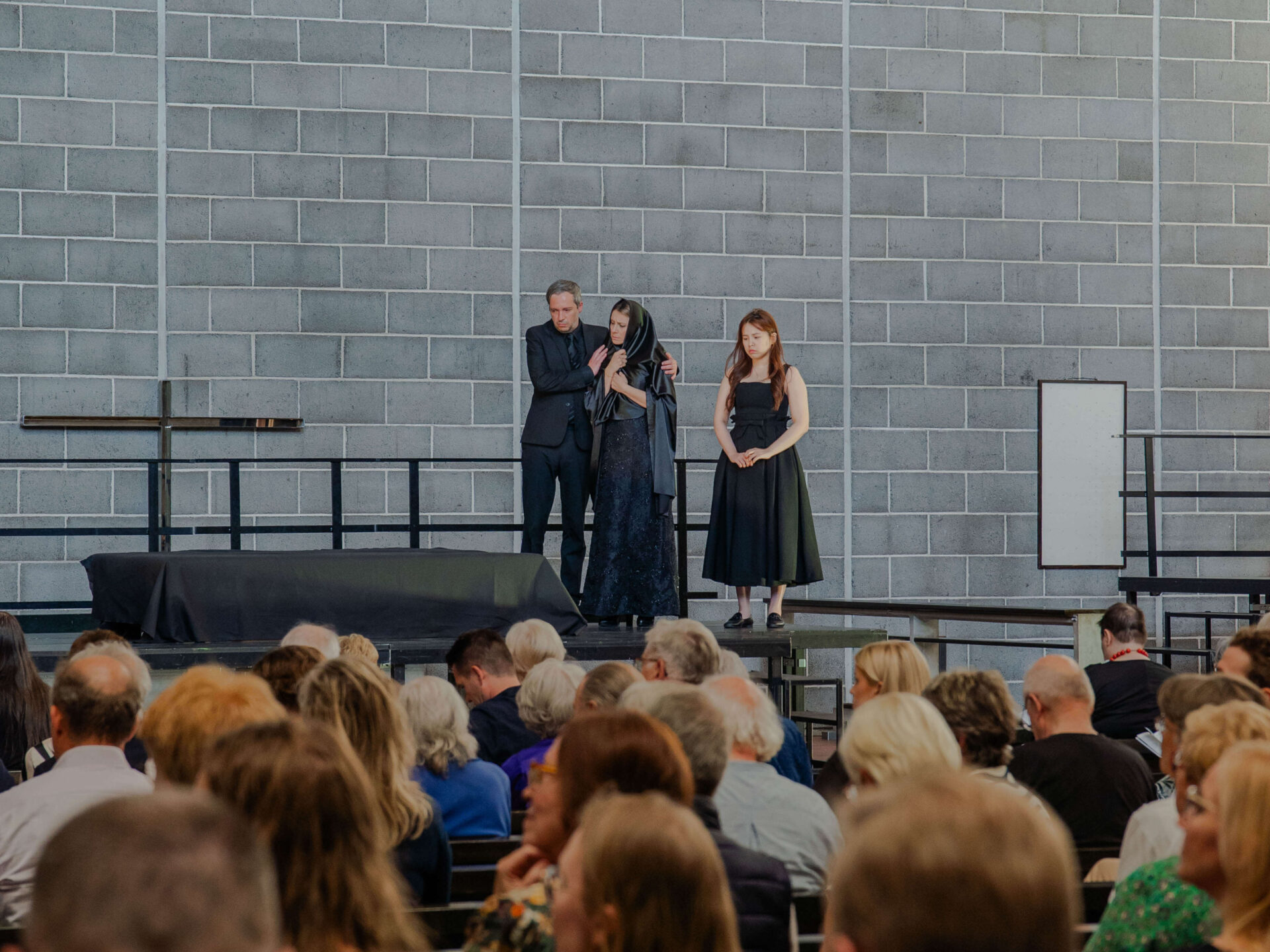
Messiah 6 © Anu Rossi
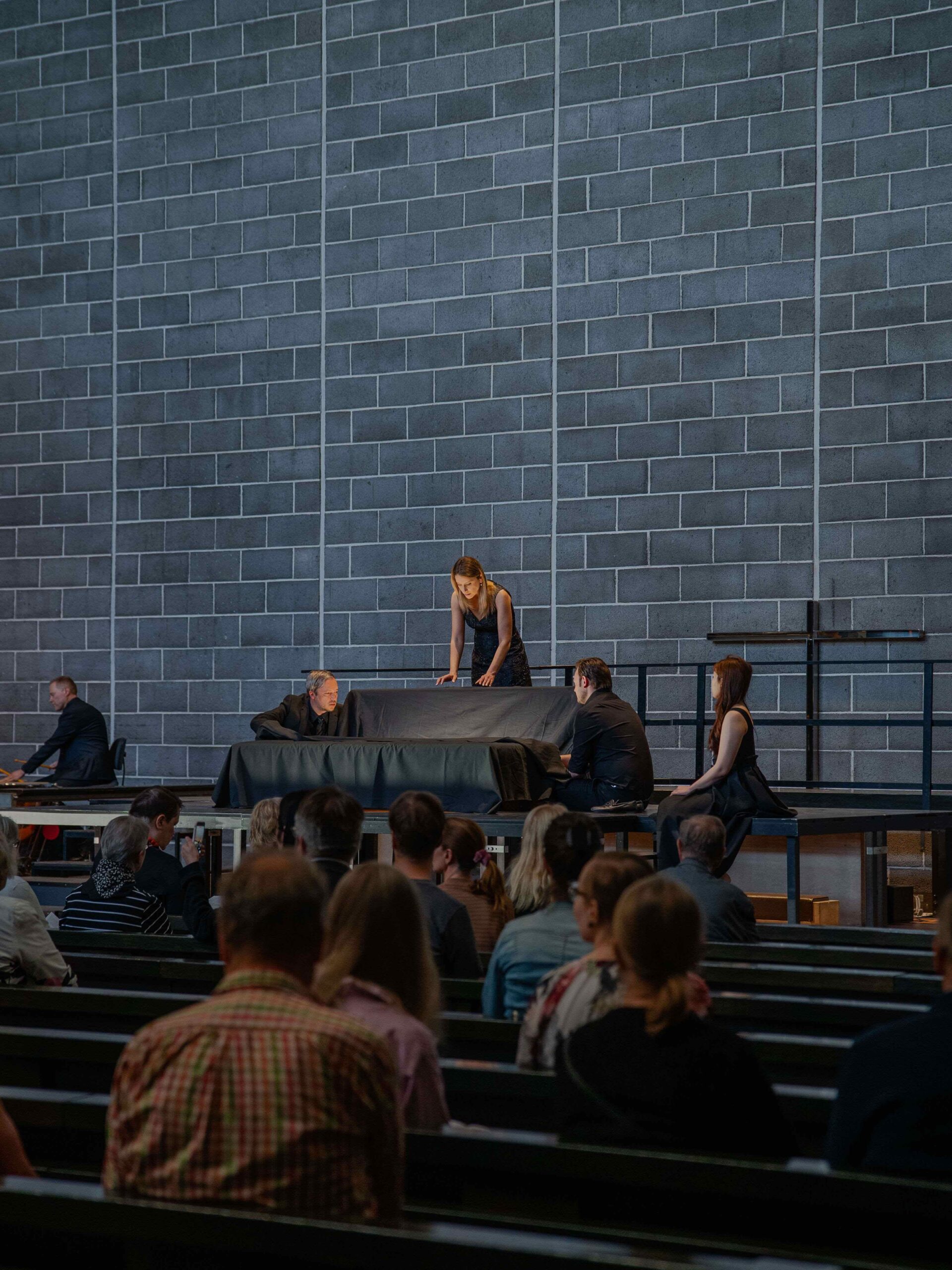
Messiah 7 © Anu Rossi
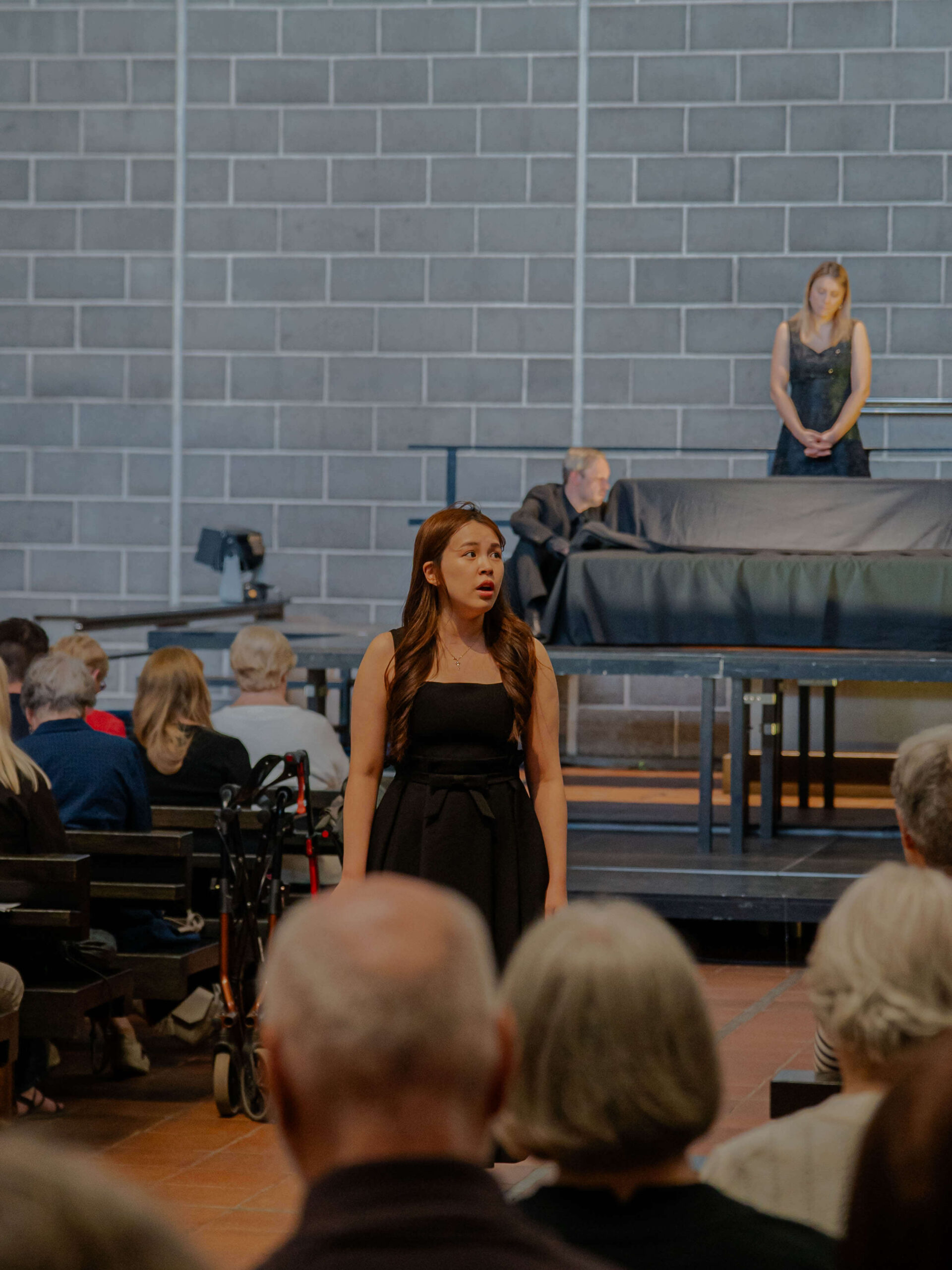
Messiah 8 © Anu Rossi
Messiah 9 © Anu Rossi
Performance History
June 6 – 7, 2024
Ukuyö ja Aaria Festival, Finland
Echoes
June 2024
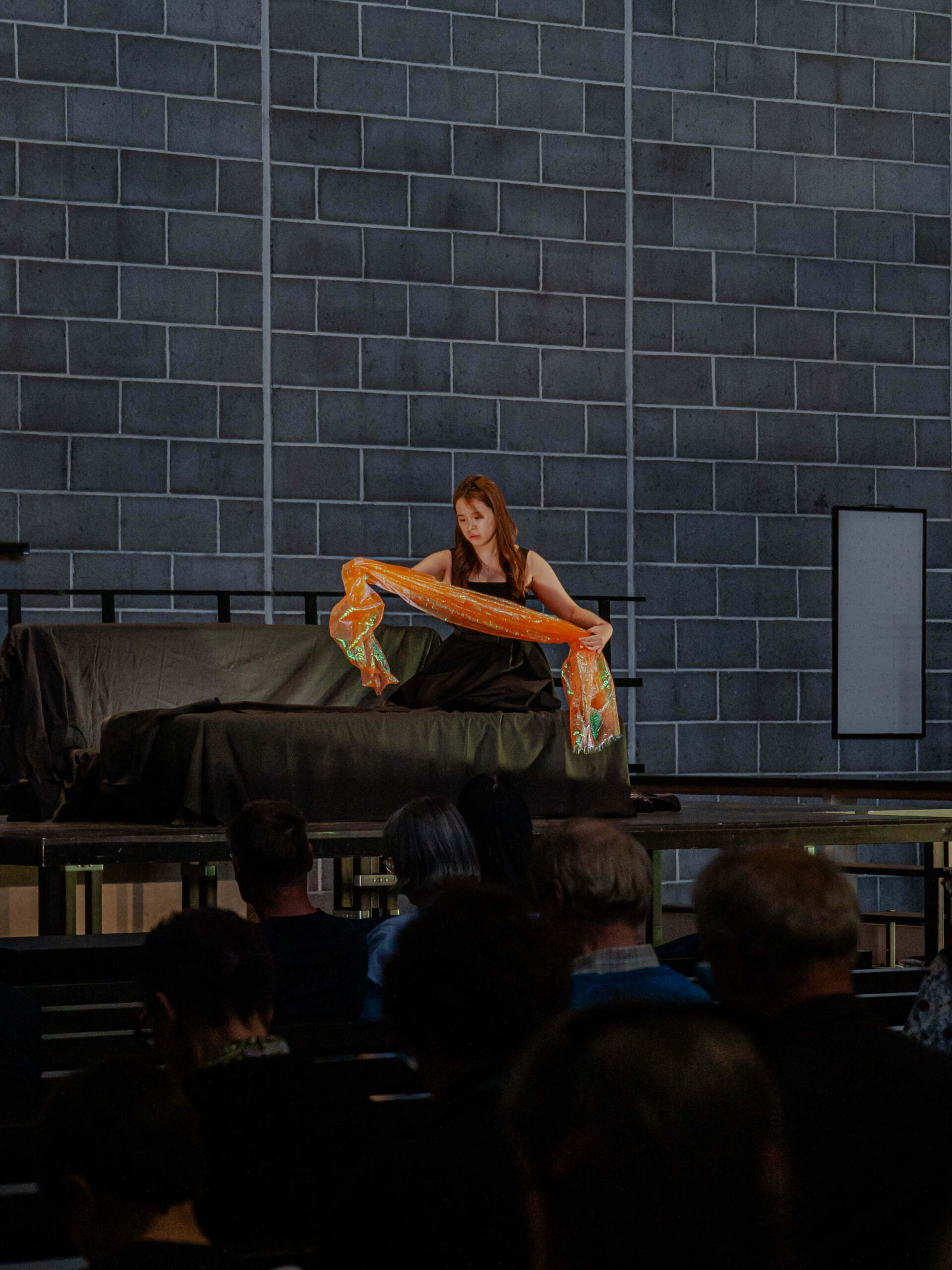
“Handel’s great church music became something entirely new in Espoo: a dramatisation turned the glory of Handel’s Messiah into a mind-bending experience. (…) The concentrated staging forced the gaze on the four soloists, who did little and yet very much at the same time. These great singers were also great actors. The great intensity and skill opened up unknown locks of the mind to the point of tears already during the first numbers. (…) Aleksi Barrière manages to build a new story through powerful characters. On stage is a family that could be the virgin Mary and her parents, her spouse. We see the cranky father, the bass Cornelius Uhle, thundering impressive words of doom. We see the joy of a new life, of a grandmother-to-be, interpreted by counter-alto Francesca Ascioto. Isolated on the side, the presumed father, prophetic, overtone-ringing tenor Nick Pritchard wanders. The young mother, young soprano Clara Kim, moves to tears with her soaring vocals about the birth of her child. The whole family of four gathers around the newborn. Great joy is followed by great grief, grief by unimaginable hope. How impressively presented on the stage. (…) Even the familiar, triumphant hits do not detract from the performance’s calm and intensity of interpretation, which turns the gaze inwards. “Ye shall find rest unto your souls” is the promise made at the end of the first part of Messiah. The ensemble made something entirely new out of this great work of church music.”
Annmari Salmela, Helsingin Sanomat